








1. Understand the size requirements:
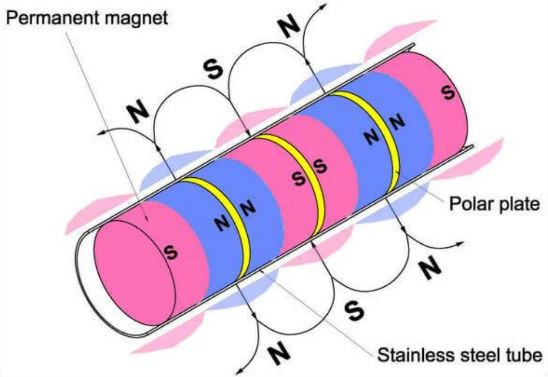
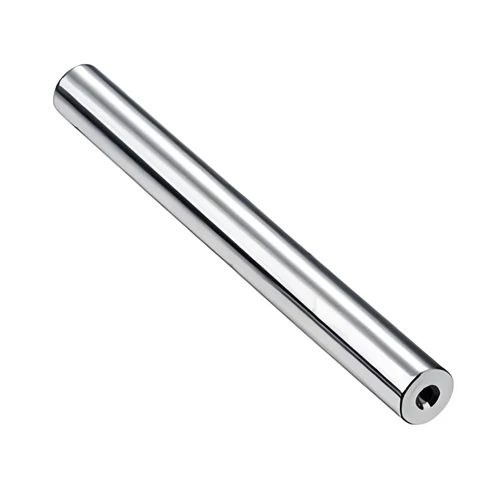
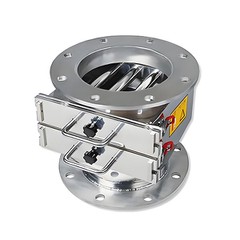
Make sure the magnet is large enough to cover the entire cross-section of the material flow. This ensures that all particles are in contact with the magnetic field, leaving no room for contaminants to escape.
2. Choose the correct type:
While not as powerful as rare earth magnets, ceramics are durable and cost-effective. They are suitable for applications with larger, rougher materials and provide a reliable magnetic field.
Alnico magnets have good temperature stability and are corrosion-resistant. They are suitable for applications where exposure to high temperatures is a consideration.
3. Customize for best performance:

4. Regular evaluation and adjustment:
5. Conduct material testing:
6. Integrate with existing systems:
7. Environmental factors:
8. Cost-benefit analysis:
Conduct a thorough cost-benefit analysis while considering the size and type of hopper magnet. Consider not only the initial purchase cost, but also long-term maintenance, energy consumption, and potential productivity gains. This holistic approach ensures your investments align with your budget and operational goals.
9. Safety precautions:
10. Seek expert guidance:
If complex size and type selection becomes challenging, seek expert guidance. Consult the manufacturer or industry expert who can provide insights tailored to your specific application. Their expertise can help you make informed decisions and avoid potential pitfalls. GME specializes in providing high-quality magnetic products. If necessary, we can customize the best option for you. Contact us for the latest consultation.